



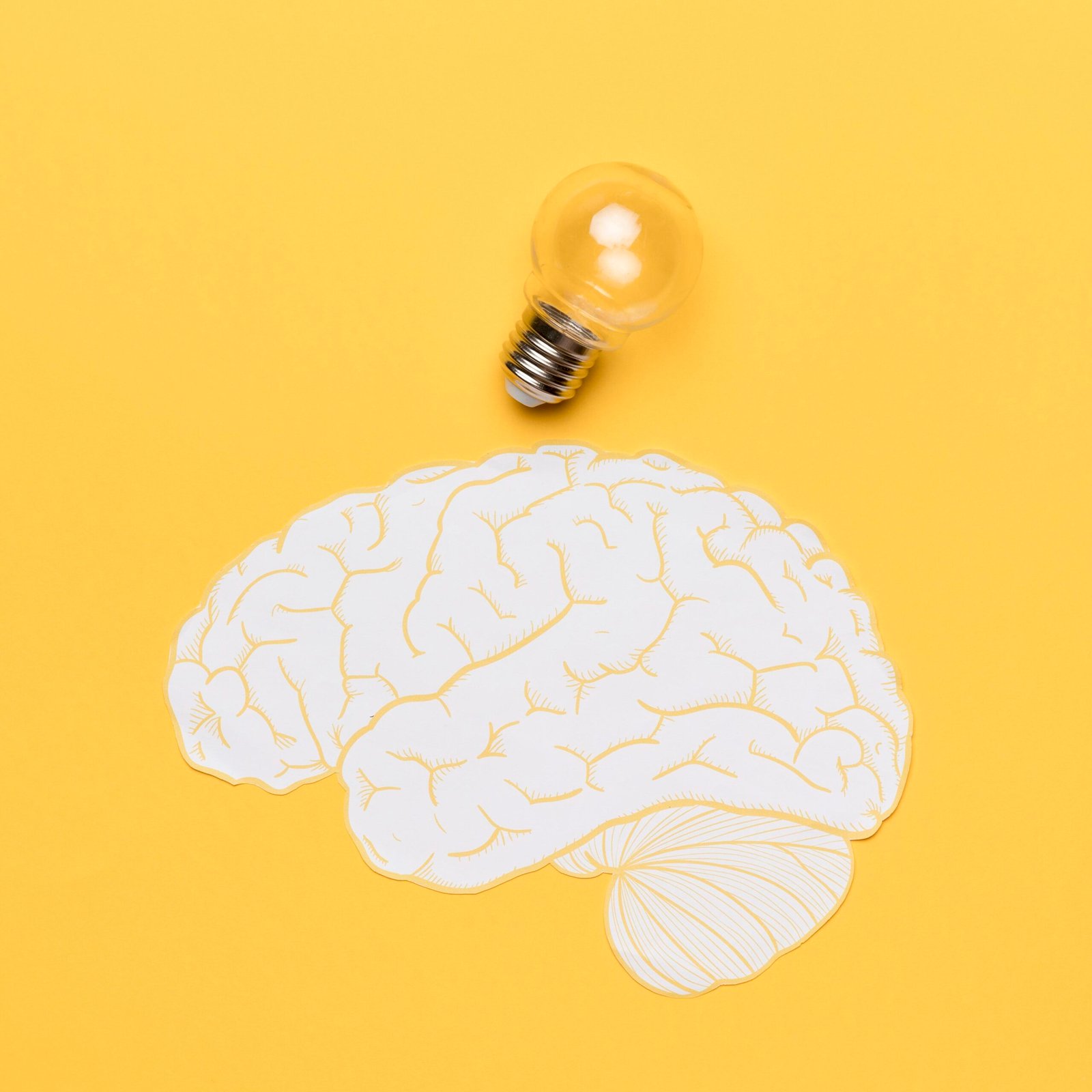
Have you ever wondered why some people easily remember information while others struggle? The answer lies in the brain’s incredible mechanisms during learning. Learning is not just memorizing facts—it’s a complex chemical and neural process that relies on attention, memory, repetition, and is influenced by environment, emotions, and hands-on experience.
⸻
1. How Does the Brain Learn?
The brain relies on complex neural networks to transmit and store information:
-
Short-term memory: Temporarily holds information for a few seconds or minutes.
-
Long-term memory: Stores important information after the brain processes it and links it to previous experiences.
-
Repetition and practice: The more you repeat a piece of information or skill, the stronger the neural pathway becomes, making recall easier.
💡 Practical Example:
When learning a new skill like designing a presentation, memorizing the steps isn’t enough. Practical application and repetition help the brain form a stable neural route, making performance faster and more accurate.
⸻
2. Attention and Mental Immersion
Attention is the key to transferring information into long-term memory. The brain cannot process everything it sees or hears—it selects what captures interest or triggers emotion.
-
Visual and auditory stimuli: Images, videos, and real-life examples increase learning effectiveness.
-
Deep focus: Techniques like the Pomodoro method or short focused study sessions help the brain retain information.
💡 Practical Tip:
Divide the lesson into short intervals (25 minutes) with brief breaks, and focus on one task at a time. This boosts attention and increases retention.
⸻
3. Active Learning vs. Passive Learning
-
Passive learning: Simply reading or listening without engagement. This type of information is often forgotten quickly.
-
Active learning: Includes hands-on practice, discussions, problem-solving, or teaching others.
🧠 The Science Behind It:
Active learning activates multiple brain regions, strengthening the connection between new information and previous knowledge, which significantly improves recall.
💡 Practical Example:
At Tareek Academy, instead of merely watching a tutorial video, learners apply the skills to small projects and share their results with peers—turning information into practical knowledge.
⸻
4. Emotion and Memory
Emotions play a major role in learning:
-
Information linked to positive emotions is remembered better.
-
Stress or boredom reduces the brain’s ability to retain information.
💡 Practical Application:
Make learning enjoyable using educational games, stories, or competitions. The brain remembers pleasant experiences far better than dry facts.
⸻
Real learning is a multidimensional brain journey that brings together attention, repetition, hands-on experience, and emotion. Understanding how the brain works can transform learning from simple memorization into long-lasting skills and knowledge.
At Tareek Academy, trainees learn scientifically proven methods for effective learning, combining practical application with neuroscientific techniques—empowering every learner to retain information and apply it intelligently and professionally.